
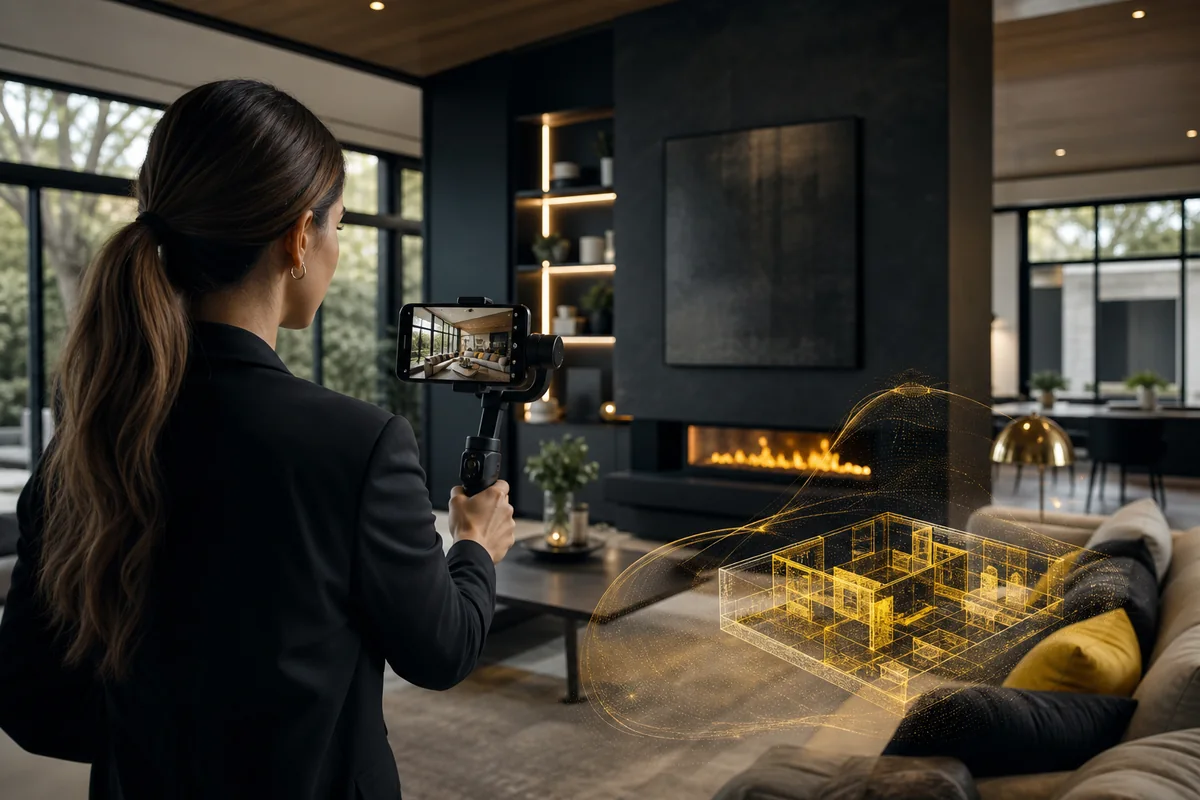
Video has transformed from a “nice to have” tool in a realtor’s digital marketing arsenal to a necessity. In these challenging market conditions and rising interest rates, it's more important than ever to appeal to your buyers’ interests with video. Understanding the real estate video trends 2025 is the best way to edge out competition in this shifting market. A failure to adapt could mean your listing prices go down or your listings stay on the market for months!
If you’re a real estate agent wanting to use video to its full potential, here are the top real estate marketing trends to get results.
If you’re a real estate agent wanting to use video to its full potential, here are the top real estate marketing trends to get results.
Summary
Create an AI Video Tours from PhotosTry it For Free

Real Estate Video Trends 2025
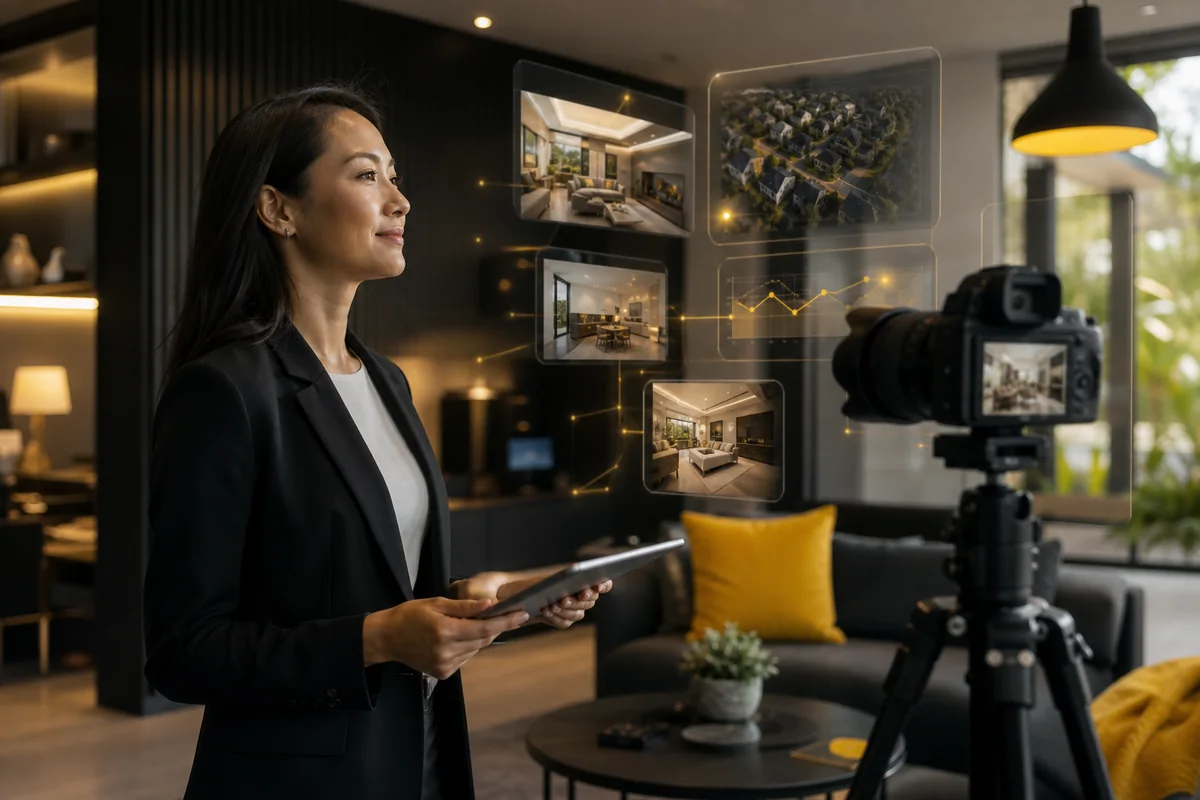
Your success as a real estate agent hinges heavily on your ability to adapt. Real estate is an ever-changing market, and those who fail to adapt will be left behind by the competition. These are the top real estate video trends in 2025 you cannot afford to ignore.
1. Short-Form, Vertical Videos
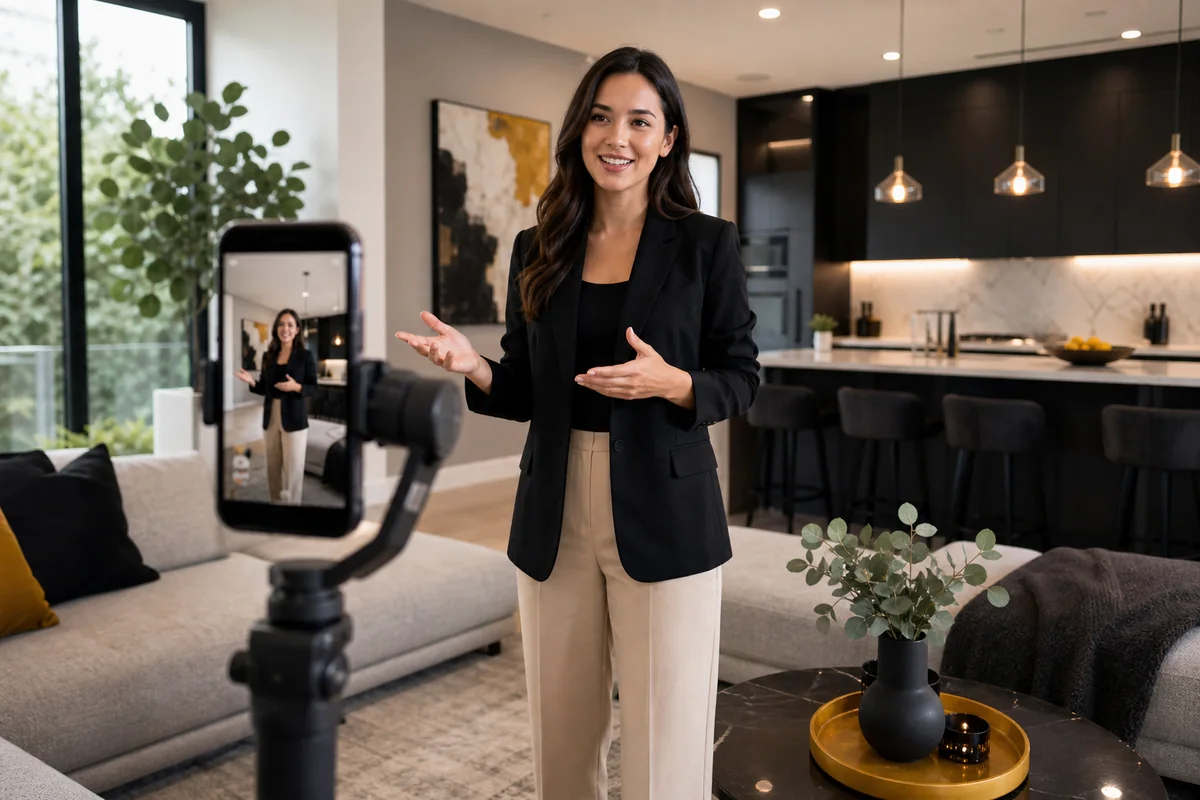
In 2020, TikTok exploded and became one of the top social media platforms. The short-form video app remains one of the top social media platforms today. It also spearheaded the rise of short-form video creation as one of the top video marketing strategies for businesses, including the real estate industry.
According to the HubSpot State of Marketing Report 2025, short-form video is the most popular content used by marketers at 29.18%, followed by images, interviews, and blog posts. Another study also finds that the most effective video length is under 5 minutes, based on survey results.
Realtors must adopt short-form and vertical videos as top real estate video trends for 2025. Specifically, a mobile-first approach to video creation has become widespread in digital marketing.
It’s unsurprising given that many internet users browse through their smartphones. It is their primary tool for browsing on the internet, finding information on search engines, and using social media. Therefore, it makes sense for realtors to target this platform and create content optimized for vertical video.
There is also another reason to adopt the short-form video format: web users have a short attention span. Summarizing your property tours in 30 to 60 seconds is highly effective, as anything longer would cause them to lose interest. Most buyers don’t want to watch a 15-minute video about a property. It takes a lot of creativity to showcase a property's crucial details in a short-form video.
Creating short-form vertical videos also makes sense if you use social media marketing to promote your real estate business. This format makes it easy to share on various social media platforms, such as TikTok and Instagram Reels. With the right content, you can target the right audience and make your content go viral.
As a bonus, the social media algorithm favors vertical video content, helping you reach a wider audience.
According to the HubSpot State of Marketing Report 2025, short-form video is the most popular content used by marketers at 29.18%, followed by images, interviews, and blog posts. Another study also finds that the most effective video length is under 5 minutes, based on survey results.
Realtors must adopt short-form and vertical videos as top real estate video trends for 2025. Specifically, a mobile-first approach to video creation has become widespread in digital marketing.
It’s unsurprising given that many internet users browse through their smartphones. It is their primary tool for browsing on the internet, finding information on search engines, and using social media. Therefore, it makes sense for realtors to target this platform and create content optimized for vertical video.
There is also another reason to adopt the short-form video format: web users have a short attention span. Summarizing your property tours in 30 to 60 seconds is highly effective, as anything longer would cause them to lose interest. Most buyers don’t want to watch a 15-minute video about a property. It takes a lot of creativity to showcase a property's crucial details in a short-form video.
Creating short-form vertical videos also makes sense if you use social media marketing to promote your real estate business. This format makes it easy to share on various social media platforms, such as TikTok and Instagram Reels. With the right content, you can target the right audience and make your content go viral.
As a bonus, the social media algorithm favors vertical video content, helping you reach a wider audience.
2. Drone Footage in Listing Videos
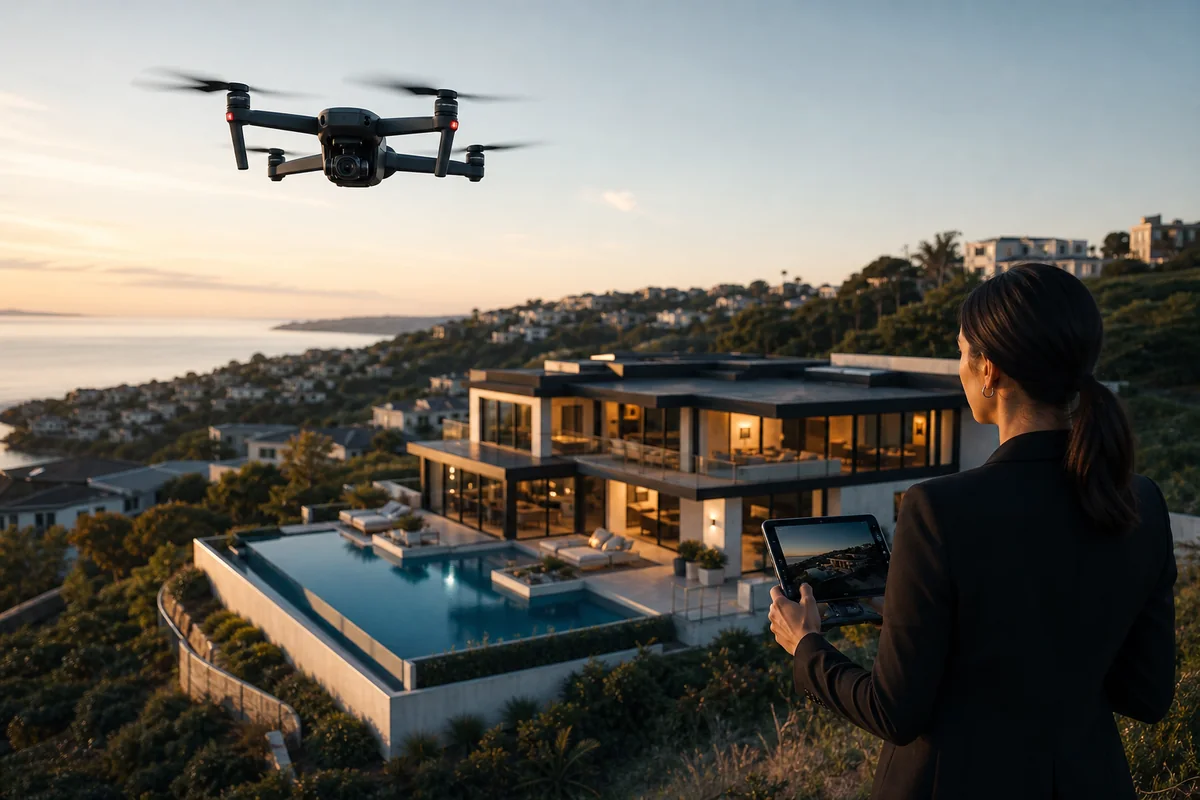
Like video, using drone footage has become a standard practice in real estate marketing. It has elevated video production quality in so many ways, and real estate buyers have increased their expectations of realtors.
To give you an idea, over 20% of commercial drone footage is done for real estate purposes. And for realtors currently using video to market their listings, 80% already use drone footage. Even the National Association of Realtors would agree, citing that listings with drone and aerial footage are more likely to sell by 68% (and for more money).
Why is drone footage important? First, it allows your real estate marketing video to showcase a home’s outdoor features, such as its landscape and backyard. It also provides a unique perspective on a home's scale, so potential buyers can see the entire layout of the land from above. Meanwhile, drone footage can give potential buyers an idea of the home’s proximity to other community features and neighbors.
It's clear that drone footage is one of the fastest-growing real estate video trends for 2025. However, it doesn’t mean that all realtors should buy a drone. It is crucial to check in with your local area for permits and airspace regulations. Is drone filming allowed in your area? Real estate professionals should exercise due diligence by checking local laws and policies regarding drones before using one.
To give you an idea, over 20% of commercial drone footage is done for real estate purposes. And for realtors currently using video to market their listings, 80% already use drone footage. Even the National Association of Realtors would agree, citing that listings with drone and aerial footage are more likely to sell by 68% (and for more money).
Why is drone footage important? First, it allows your real estate marketing video to showcase a home’s outdoor features, such as its landscape and backyard. It also provides a unique perspective on a home's scale, so potential buyers can see the entire layout of the land from above. Meanwhile, drone footage can give potential buyers an idea of the home’s proximity to other community features and neighbors.
It's clear that drone footage is one of the fastest-growing real estate video trends for 2025. However, it doesn’t mean that all realtors should buy a drone. It is crucial to check in with your local area for permits and airspace regulations. Is drone filming allowed in your area? Real estate professionals should exercise due diligence by checking local laws and policies regarding drones before using one.
3. AI-Powered Video Production
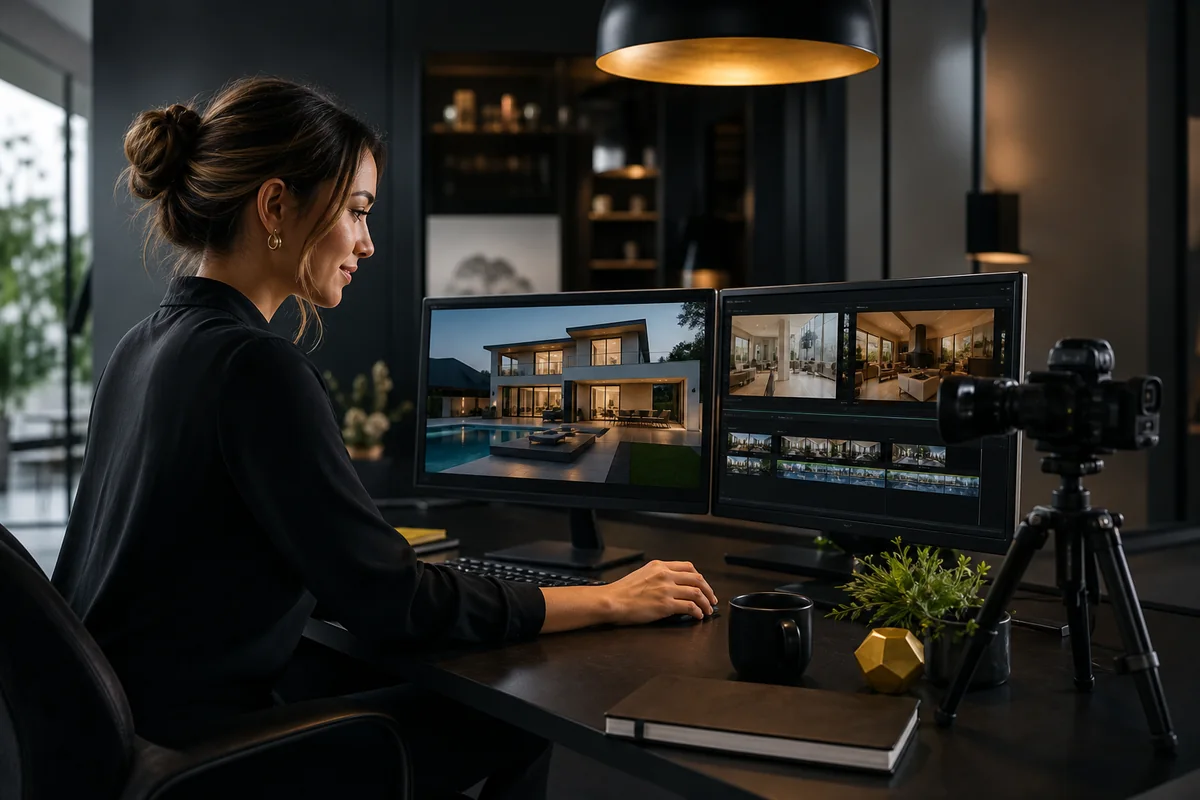
AI has significantly transformed the real estate landscape, and realtors who are quick to embrace it reap the benefits.
There are plenty of ways to use AI to power real estate marketing efforts and strategies. You can use AI to build email campaigns, write blogs and social media posts, and predict client behaviors.
But in terms of real estate video marketing, AI is also a powerful ally. There are many options for AI-powered video creation tools to simplify the process. Real estate agents who are intimidated by the idea of hiring an expensive professional videography team no longer have to stretch their budget. You can utilize AI video tools, such as Videotour.ai, to upload property listing photos and convert them into immersive video formats to enhance listings.
Realtors no longer have to miss out on the advantages of video to boost their property listings, even if they cannot afford a videography crew or expensive editing software. Producing quality real estate videos for a fraction of that price is possible with AI tools, especially as the AI technology continues to evolve. The AI technology is sophisticated enough to create professional, polished, and ready-to-share videos in minutes.
Furthermore, AI video creation with Videotour.ai empowers real estate agents. It gives them control over the unlimited customizations on music, transitions, and effects. Most AI tools also enable them to incorporate branding opportunities into the video, making it more compelling rather than generic.
Agents can do this while still managing your tight schedule as a realtor who has to tour properties with clients, manage client calls and inquiries, and more.
There are plenty of ways to use AI to power real estate marketing efforts and strategies. You can use AI to build email campaigns, write blogs and social media posts, and predict client behaviors.
But in terms of real estate video marketing, AI is also a powerful ally. There are many options for AI-powered video creation tools to simplify the process. Real estate agents who are intimidated by the idea of hiring an expensive professional videography team no longer have to stretch their budget. You can utilize AI video tools, such as Videotour.ai, to upload property listing photos and convert them into immersive video formats to enhance listings.
Realtors no longer have to miss out on the advantages of video to boost their property listings, even if they cannot afford a videography crew or expensive editing software. Producing quality real estate videos for a fraction of that price is possible with AI tools, especially as the AI technology continues to evolve. The AI technology is sophisticated enough to create professional, polished, and ready-to-share videos in minutes.
Furthermore, AI video creation with Videotour.ai empowers real estate agents. It gives them control over the unlimited customizations on music, transitions, and effects. Most AI tools also enable them to incorporate branding opportunities into the video, making it more compelling rather than generic.
Agents can do this while still managing your tight schedule as a realtor who has to tour properties with clients, manage client calls and inquiries, and more.
4. Interactive and Immersive Video Experiences
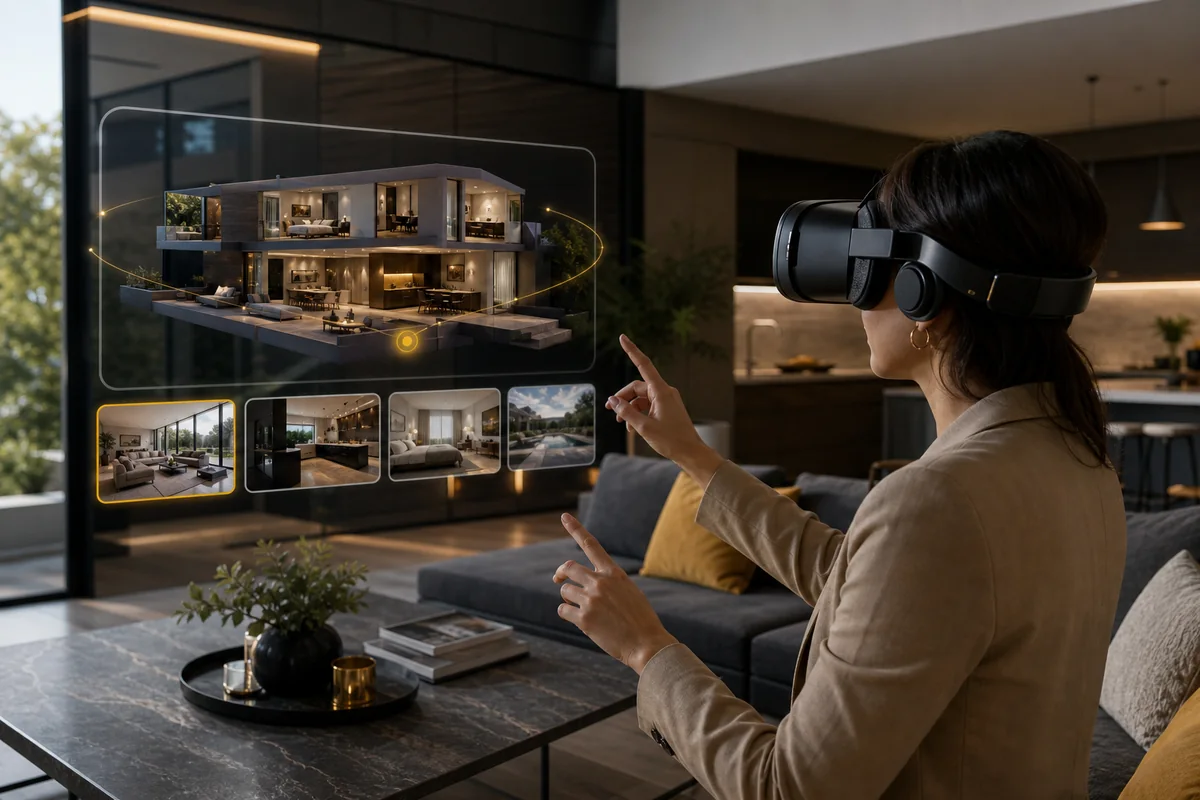
Interactive and immersive video experiences are among the top real estate marketing trends. Like a drone that allows potential buyers to see the property at unique angles and for scale, immersive videos showcase a different side of a property most don’t see.
A 360-video tour is when real estate agents employ cameras with 360-degree capabilities. Instead of agents walking viewers from one room to another, buyers can click and drag their screens to look around the space at their own pace. It allows potential buyers to focus on a specific room that would be most relevant to their buying decision, such as the kitchen or the primary suite. Many buyers like this interactive video experience because they can control what they see rather than be limited to what the agent shows them.
Incorporating other technologies, such as 3D tours, is already being used by the MLS and various listing platforms. Websites like Zillow and Redfin support 3D tours and 360-degree video embeds, so real estate agents must capitalize on these trends to optimize their listings’ performance.
A 360-video tour is when real estate agents employ cameras with 360-degree capabilities. Instead of agents walking viewers from one room to another, buyers can click and drag their screens to look around the space at their own pace. It allows potential buyers to focus on a specific room that would be most relevant to their buying decision, such as the kitchen or the primary suite. Many buyers like this interactive video experience because they can control what they see rather than be limited to what the agent shows them.
Incorporating other technologies, such as 3D tours, is already being used by the MLS and various listing platforms. Websites like Zillow and Redfin support 3D tours and 360-degree video embeds, so real estate agents must capitalize on these trends to optimize their listings’ performance.
5. Live Video
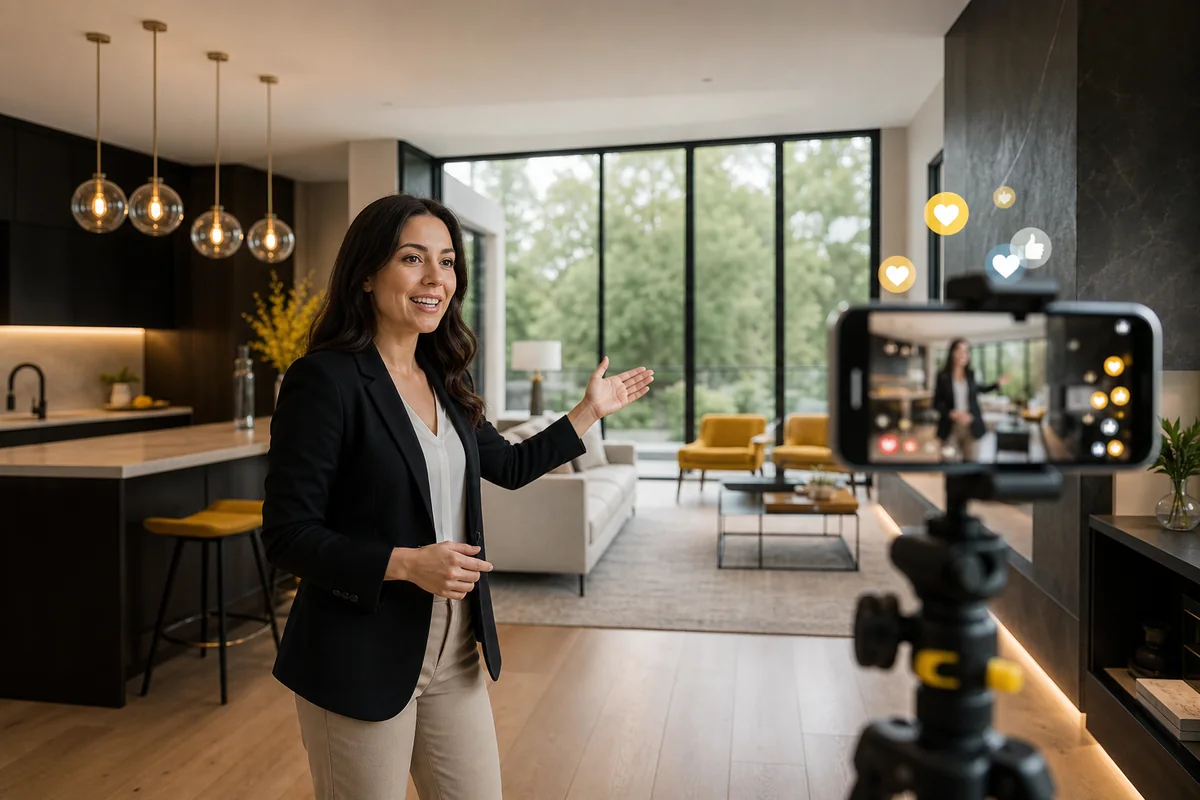
Add live video to the list of real estate marketing trends worth trying in 2025. Since the rise of live videos, they have become a popular form of video content for marketers and brands to generate higher real-time engagement with their audience. Real estate agents can also use this same marketing strategy during property tours and open houses.
Live videos can generate attention because they allow real-time responses. If potential buyers have questions about the open house or property, they can get an immediate response from the agent. It is far more appealing and interactive than reading an online listing with the home's photos and descriptions.
Aside from conducting property tours, real estate agents can also host live Q&A sessions. It is an excellent platform for educating buyers and building expertise or credibility as a local real estate expert. The unscripted, authentic format of a live video appeals to buyers, making it the best way to generate leads for your platform.
Live videos can generate attention because they allow real-time responses. If potential buyers have questions about the open house or property, they can get an immediate response from the agent. It is far more appealing and interactive than reading an online listing with the home's photos and descriptions.
Aside from conducting property tours, real estate agents can also host live Q&A sessions. It is an excellent platform for educating buyers and building expertise or credibility as a local real estate expert. The unscripted, authentic format of a live video appeals to buyers, making it the best way to generate leads for your platform.
6. Storytelling Over Selling
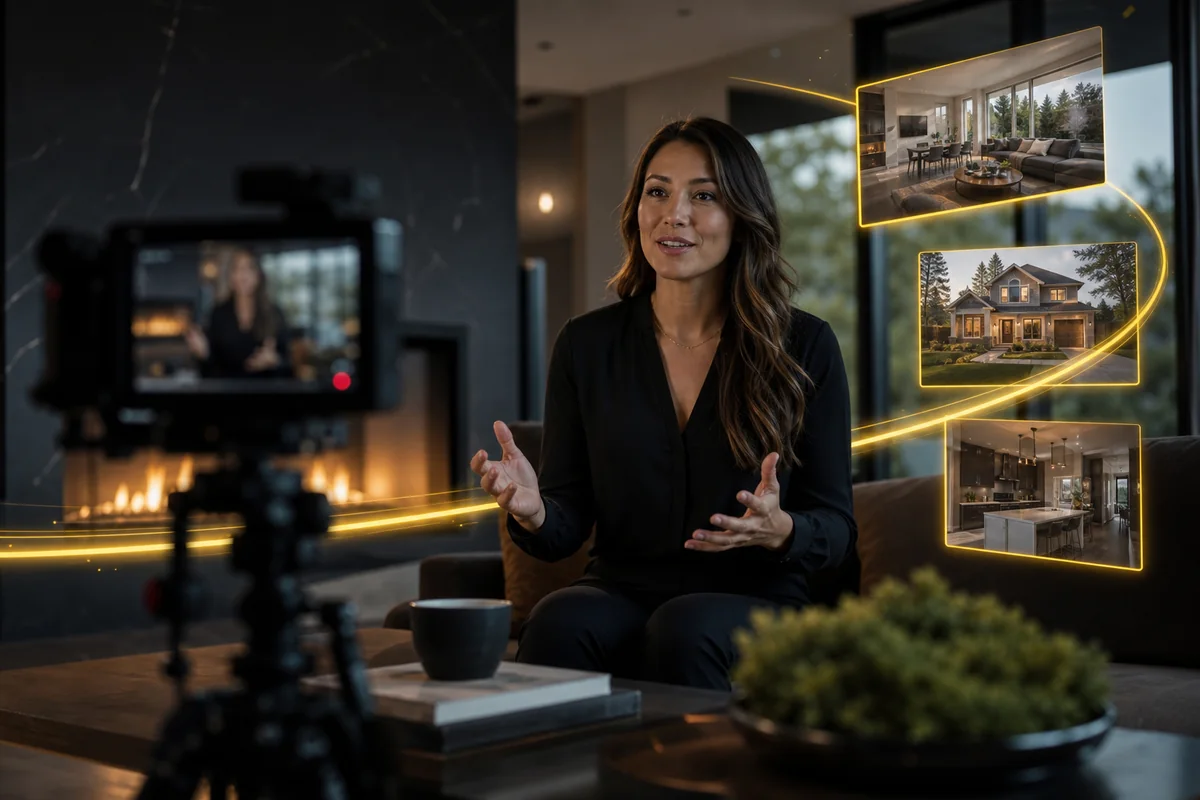
Storytelling through video is among the most effective real estate marketing trends in 2025. While buyers appreciate a polished video, they respond more to videos that resonate with them on a personal level.
While specifications are essential, it’s no longer the heart of every listing video. Your listing may include details such as the number of bedrooms and bathrooms, square footage, construction year, and lot size. However, real estate videos must showcase the storytelling approach. For example, as you walk the buyers through the kitchen, paint a picture of how they will use that space.
Build a narrative in your videos; focus on the experience and the lifestyle that resonates with your target buyers.
Why is this trend effective? It’s because real estate agents do not just sell homes; they sell a lifestyle. Specifications are still important in listings, but it is the agent’s job to provide context and establish emotional resonance.
While specifications are essential, it’s no longer the heart of every listing video. Your listing may include details such as the number of bedrooms and bathrooms, square footage, construction year, and lot size. However, real estate videos must showcase the storytelling approach. For example, as you walk the buyers through the kitchen, paint a picture of how they will use that space.
Build a narrative in your videos; focus on the experience and the lifestyle that resonates with your target buyers.
Why is this trend effective? It’s because real estate agents do not just sell homes; they sell a lifestyle. Specifications are still important in listings, but it is the agent’s job to provide context and establish emotional resonance.
7. Authenticity and Personal Branding

While technical real estate video trends for 2025 are essential to remember, real estate agents should not compromise on one thing: personal branding.
Keep in mind that buyers will only buy something from someone they trust. Personal branding helps establish and nurture that trust.
A polished real estate video is essential, but make sure you don’t do this at the expensive of authenticity and personal branding. In your social media feed, create a variety of professional listing videos with authentic, behind-the-scenes content. Include snippets of your daily life as a real estate agent, and vary it up with educational video content. The more authentic and behind-the-scenes content you include, the more your audience can relate to you as a person.
If you’re camera-shy, you can include voice-overs in videos. The more buyers see and hear the agent, the stronger the connection with the audience becomes. You need that connection as the foundation of trust.
Keep in mind that buyers will only buy something from someone they trust. Personal branding helps establish and nurture that trust.
A polished real estate video is essential, but make sure you don’t do this at the expensive of authenticity and personal branding. In your social media feed, create a variety of professional listing videos with authentic, behind-the-scenes content. Include snippets of your daily life as a real estate agent, and vary it up with educational video content. The more authentic and behind-the-scenes content you include, the more your audience can relate to you as a person.
If you’re camera-shy, you can include voice-overs in videos. The more buyers see and hear the agent, the stronger the connection with the audience becomes. You need that connection as the foundation of trust.
FAQ
What are drones used for in real estate?
Drone footage is used in real estate to capture aerial shots of properties. It provides a unique perspective of the property, allowing potential buyers to get a sense of its scale and proximity to other community features.
What are the technology trends in real estate?
Real estate agents can employ various technologies to enhance their listings and conversions in 2025. These include AI, drones, virtual and augmented reality, predictive analytics, and more.
Why is short-form video content important?
Short-form videos are 30 to 60 seconds long. It is considered the ideal video length by marketers because it aligns with the current consumption habits of web and social media users. It is more engaging and in an easy-to-share format.
Drone footage is used in real estate to capture aerial shots of properties. It provides a unique perspective of the property, allowing potential buyers to get a sense of its scale and proximity to other community features.
What are the technology trends in real estate?
Real estate agents can employ various technologies to enhance their listings and conversions in 2025. These include AI, drones, virtual and augmented reality, predictive analytics, and more.
Why is short-form video content important?
Short-form videos are 30 to 60 seconds long. It is considered the ideal video length by marketers because it aligns with the current consumption habits of web and social media users. It is more engaging and in an easy-to-share format.
Conclusion
There are several emerging real estate video trends in 2025, but should you adopt them all?
Real estate agents shouldn’t feel overwhelmed. Instead, focus on aligning trends with your target demographic. Not all trends will resonate with your target buyers. Pick ones that will fit into your overall marketing strategy, the type of properties you sell, and your target buyers. There is no need to stress over each trend and fit that into your video marketing strategy.
Once you implement these trends in your video marketing strategy, analyze the ROI and identify KPIs. It could be engagement, click-through rate on your video, or conversion rate. Focusing on the most critical KPIs helps you achieve measurable results and identify the most effective trends.
That way, you don’t have to spread yourself too thin and focus on those trends that bring in results. You can use the test-measure-scale approach. Once you’ve tested what trends work and you’ve measured the results, you can scale as you go.
Real estate agents shouldn’t feel overwhelmed. Instead, focus on aligning trends with your target demographic. Not all trends will resonate with your target buyers. Pick ones that will fit into your overall marketing strategy, the type of properties you sell, and your target buyers. There is no need to stress over each trend and fit that into your video marketing strategy.
Once you implement these trends in your video marketing strategy, analyze the ROI and identify KPIs. It could be engagement, click-through rate on your video, or conversion rate. Focusing on the most critical KPIs helps you achieve measurable results and identify the most effective trends.
That way, you don’t have to spread yourself too thin and focus on those trends that bring in results. You can use the test-measure-scale approach. Once you’ve tested what trends work and you’ve measured the results, you can scale as you go.